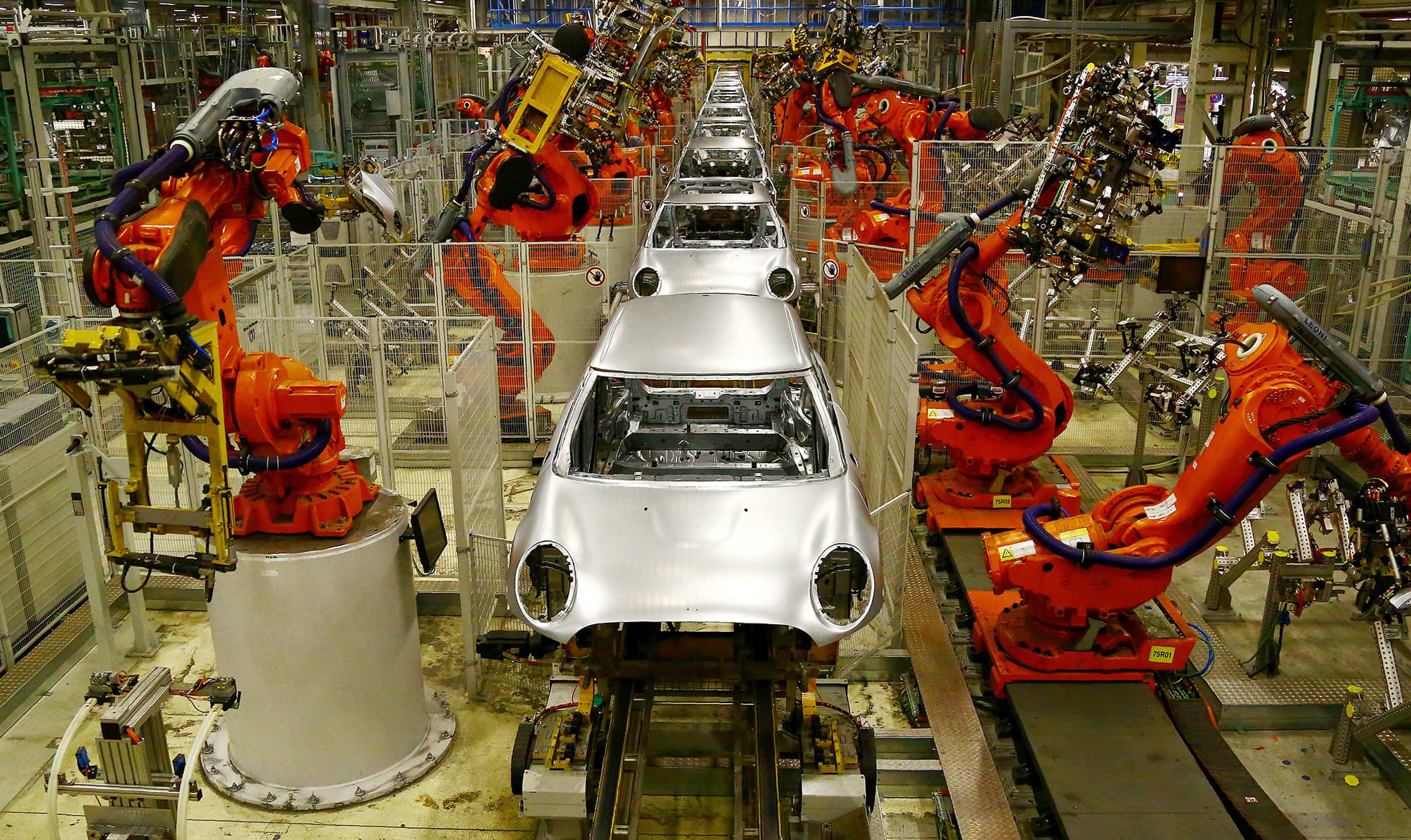
Integrating Robots into the Work Environment: A Reshaping of the Social and Economic Contract
The actual and impactful involvement of humanoid robots in major industrial production lines transcends being a technical upgrade of work mechanisms; rather, it represents the beginning of a reshaping of the social and economic contract upon which human societies have settled since the Industrial Revolution. This shift compels policymakers and thinkers to proactively plan for the "post-traditional work" phase, and explore innovative economic models such as the "Universal Basic Income" system to ensure human dignity amidst the shrinking of manual jobs. The ultimate goal of technological progress must be liberating humans from arduous and repetitive labor to dedicate themselves to creativity and cultural elevation, not marginalizing or excluding them from the economic cycle in favor of the highly efficient machine.