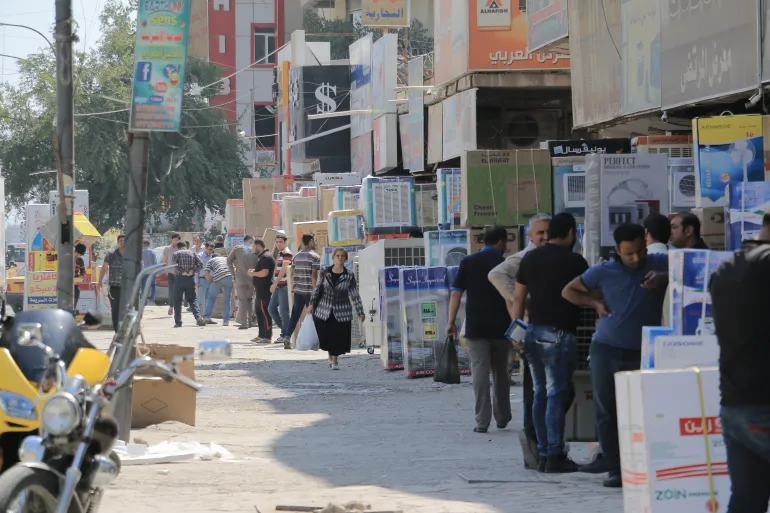
Expected Austerity Measures in Iraq to Confront Liquidity Crisis and Declining Oil Revenues
The Iraqi government is considering a package of measures to rationalize public spending and reduce expenses to address a severe liquidity crisis that has directly affected the financing of basic state obligations, primarily employee salaries. This crisis stems from a widening financial gap between actual revenues and current spending levels, following a sharp decline in oil revenues. Proposed austerity options include reducing the annual allocations for the Ministry of Trade, which may lead to a reduction in ration card items and the number of beneficiaries, in addition to reviewing agricultural crop purchasing plans and cutting diplomatic spending and regional allocations. These trends have sparked public concerns about their impact on citizens' living standards, while observers confirm that the current crisis is an inevitable result of years of over-reliance on oil as the sole resource for the general budget.